


Treatment of Hair Loss in San Antonio and Boerne Alopecia Clinics | Texas Institute of Dermatology | Latest Treatment Options for Alopecia
To Schedule Call 210-698-6777 or Click Here
- Treatment of Hair Loss in San Antonio and Boerne Alopecia Clinics of Texas Institute of Dermatology is available
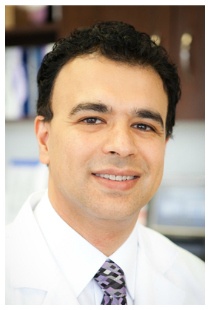
- Dr. Ghohestani and his associates at the Texas Institute of Dermatology – San Antonio Hair Loss clinic offer a comprehensive approach for diagnosis and treatment of hair loss (alopecia) in both men and women of all ages,
- State-of-the-art UVB, LED and Laser treatment options available for patients affected with various type of hair loss at our San Antonio Hair Loss Clinic,
- Plasma Rich Protein (PRP) injections into the scalp provide stimulation of hair follicles and new hair growth,
- Follicular hair transplantation enables the possibility of full, thick hair in areas of previous alopecia,
- Dr. Ghohestani and his staff have treated successfully thousands of patients affected with hair loss using state-of-the-art technology such as PRP, laser, LED, UVB, and follicular unit hair transplantation,
- You will be first examined by Dr. Ghohestani or one of the hair experts to determine the cause(s) of your hair loss,
- Our hair experts design a treatment plan based on your individual needs to successfully address the cause of hair loss

Hair loss is fairly common, more than half of men and women in South Texas, including Boerne and San Antonio area, experience hair loss according to Dr. Ghohestani, Professor and former chief of Dermatology program at University of Texas. Dr. Ghohestani, at the Texas Institute of Dermatology Hair Loss Clinic San Antonio offers the latest treatment options for alopecia in men and women including a new UV light treatment, LED light, PRP, follicular unit hair transplantation as well as latest laser and light technology. For an appointment, please call us at 210-698-6777 or email [email protected].
Treatment of Hair Loss (Alopecia) in San Antonio Boerne Alopecia Clinic : Before and After Treatment Images


Hair loss : When is normal and when is abnormal?
Hair loss is routine in every single person. In fact, you may lose up to 100 hairs every day. There are three cycles of hair growth: growing, resting, and shedding. In most animals, these cycles are seasonal, and the hair growth cycles have aligned, which leads to seasonal hair loss. This is why animals grow a thicker coat in the fall and shed most in the spring. Unlike most animals, individual human hair has its own pattern of growing, resting, and shedding. Shedding and regrowing hair is a daily occurrence. Disturbances in this balance, lead to variations in the growth cycle, thus resulting in hair loss (Alopecia). However, if hair loss is genetic (runs in your family), you may be at a higher risk to lose more hair than is common. This may lead to excessive baldness or thinning. About 50% of adults over 50 suffer from a more advanced type of hair loss. This condition can also be exacerbated by diseases and medication. Although hair loss is highly common in the U.S. population, it can be tough to handle, especially when it effects your image and self-confidence. Thankfully, there are treatment options that can significantly reduce over-active hair loss and, in some cases, promote new hair growth.

What causes hair loss?
Hair loss is divided into two broad categories:
- Hair loss with scarring (Scarring Alopecia) such as discoid lupus, systemic lupus erythematosus, frontal fibrosing alopecia,
- Hair loss without scarring (Non-scarring Alopecia) such as: alopecia areata, androgenic alopecia, iron deficiency

Common causes of hair loss include:
- Heredity: the most common cause of hair loss is male-pattern or female-pattern hair loss, which is a genetic condition. This means we simply have inherited the condition from our parents. Therefore, if your parents suffer from Alopecia, you may be at a higher risk for hair loss,
- Stress: high demand and “not enough time” are characteristics of the world we live in. These hectic conditions elicit physical, mental, and emotional stress, all of which can contribute to hair loss,
- Chemotherapy: cancer treatments are known to effectively fight off bad cell growth, but in the process, it also affects good growth, such as hair growth.
- Physical damage to your hair. Pulling your hair back too tightly, aggressive combing, tight braids, etc. all may damage the hair and contribute to hair loss. Additionally, products with an irritating effect on the scalp such as perming may cause scarring and hair loss,
- Age: the older we get, the more brittle and thin our hair becomes. This is a natural part of the aging process,
- Poor diet: this particular symptom is more and more pronounced nowadays as we substitute away from healthy diets to more “convenient” diets, leaving the hair follicle starved for needed nutrients. Iron deficiency is common especially in ladies,
- Endocrine diseases and hormonal imbalance: Thyroid diseases, like hypothyroidism, hyperthyroidism, and excess Testosterone & DHEA may also cause hair loss,
- Infection, for example: Ringworm of the scalp, which is most frequently pronounced in children,
- Rare causes of hair loss include: kidney failure, liver failure, infections such as Syphilis. All causes of hair loss have to be carefully ruled out by a hair specialist.
What are the symptoms?
Different kinds of hair loss are exhibited by different symptoms. Thinning hair may take time to notice, as the process isn’t as immediate as shedding (hair falling out in clumps). Sometimes hair loss can be generic (all over) or it can be focal (only in one area). Men tend, on average, to lose hair on the forehead and on top of the head while women tend to experience thinning hair all over. Regardless of the symptoms, we understand that losing hair can significantly affect your self-esteem. Therefore, we recommend that you see Dr. Ghohestani at TXID Clinic for Hair loss in San Antonio, to discuss any concerns you may have and to see what options are available to you for treatment.
How is hair loss diagnosed?
- Dr. Ghohestani, our renowned dermatologist, will ask you some questions, such as how much hair you’re losing, when it started, and whether your parents have hair loss. He will look closely at your scalp and hair-loss pattern and may gently pull out a few hairs for tests. If it is not clear what is causing you to lose your hair, Dr. Ghohestani may request a blood test or look at a sample of your hair or scalp with a microscope. Androgenic Alopecia is the most common type of hair loss in men, it can be also seen in women. Science shows that this type of hair loss is determined by our genes and hormones, also known as androgen-dependent, androgenic, or genetic hair loss. This genetic form of hair loss is the most recognizable Alopecia (hair loss) to affect both men and women. Estimates indicate that around 30% of Caucasian females are also affected before menopause. This type of hair loss is also referred to as common baldness, diffuse hair loss, male or female pattern baldness. Hair loss in the case of androgenic Alopecia is accelerated mainly by three forces:
- Advancing age
- Genetic predisposition to early balding
- Excess amounts of dihydrotestosterone (DHT) within the hair follicle. DHT is a male hormone (form of testosterone) responsible for influencing many aspects of manly behavior (i.e. sex drive and aggression). 5-alpha, a naturally produced enzyme, is what drives the conversion from testosterone to DHT. This hormone, which is present in the scalp, causes the hair follicle to degenerate. In most cases, this process causes the hair follicles to shrink in size (similar to the size these follicles are at birth), thereby making them more fragile. Some of these follicles will even die. This thinning of the hair is exacerbated by a shorter anagen, or growing cycle, in the follicle ultimately resulting in thinner, weaker hair that doesn’t grow as often. Eventually, these hairs become too fine to survive daily wear and tear resulting in baldness.
- Excess Sebum. Recent studies have shown that other physiological factors may exacerbate hair loss. Japanese researchers have reported a correlation between excessive sebum in the scalp and hair loss. Excessive sebum, which is often present with thinning hair, is attributed to an enlargement of the sebaceous gland. These researchers believe excessive sebum causes a high level of 5-alpha reductase and pore clogging, thus malnutrition of the hair root. While we cannot completely throw out the argument that this condition is hereditary, these researchers found that a significant change in Japanese hair in men came about as a result of dietary changes post world war 2. During this time, Japanese people began to consume more animal fat, which led to increases in height as well as increases in hair loss, particularly among men. This finding follows other findings that indicate problems with greasy hair have often been present 6 months to a year prior to noticeable hair thinning. As we often say, more research is needed. However, most doctors agree that if you have an oily scalp with thinning hair, frequent shampooing is advised. This practice alone can significantly reduce the presence of surface sebum, which contains high levels of testosterone and DHT which may reenter the skin and affect the hair follicle. Proscar, a type of finasteride, is also approved to treat hair loss resulting from androgens.
Hair Loss in Women:
Although hair loss in women is not uncommon, many women continue to suffer in silence because hair plays such a significant role in self-esteem. However, the sooner you seek care, the more likely you are to receive successful treatment. By far, the most common form of hair loss in women is referred as female pattern hair loss or androgenetic alopecia. The “genetic” component of the word means that this condition is inherited from the mother and/or father. Signs of this kind of hair loss may begin showing as early as the late teen years. Hair loss is usually improved during pregnancy and then worsened after delivery
While hair loss isn’t always immediately noticeable, one of the first signs may be diminishing sizes of ponytails or braids. Most women’s hair loss patterns are different than men’s, so this tends to make detection a little more difficult. In men, hair loss usually happens around the forehead and/or top of the head. Women, on the other hand, tend to have thinning all over. Iron deficiency hair loss is one the most common causes of hair loss in women of child-bearing age. Frontal Fibrosing Alopecia, Lupus, Alopecia Areata and Androgenic Alopecia are among other causes of hair Loss in Women.
Hair loss in African American:
Hair loss in African Women could be as a result of perming or application of chemicals to straighten the hair. Additionally, hair traction may cause for more hair loss. Dr. Ghohestani who has years of experience in treating hair loss in ethnic patients will carefully evaluate the scalp and the hair. He will then look at the hair under a microscope and/or dermatoscope and make specific recommendations.
How is female pattern hair loss treated?
Luckily, female pattern hair loss is not always something that has to go untreated. A balanced diet, rich in nutrients, fresh fruit and vegetables are key factors for the treatment of Iron deficiency Alopecia that is commonly seen in women. Iron supplements are recommended for Iron deficiency Alopecia.
Minoxidil sometimes could be helpful but it is recommended to consider it after a thorough dermatology consult. Some physicians have found that the 5% strength can be more effective in women, but due to the hormonal nature of the solution, it may cause increases in facial hair as a side effect. This particular treatment works by prolonging the growing period of hair, which allows more time to reach maximum density and length. Noticeable changes may take 3-4 months due to the lengthy nature of hair growth. Therefore, consistency in administration of treatment is crucial. Some may notice a massive hair loss after using Minoxidil. This suggests, not all patients affected by hair loss may benefit from Minoxidil.
Another common cause of female hair loss is hormonal abnormality, such as excess androgen hormones. This can often be treated with prescription medication (i.e. spironolactone or oral contraceptives) aimed at restoring hormonal balance. Studies regarding this treatment are limited and have been shown to cause harm to male fetuses. These treatments, therefore, should not be used by women who are or who will become pregnant. Bases on specific tests that are ordered, Dr. Ghohestani may consider to prescribe Plaquenil in the case of Discoid Lupus or Frontal Fibrosing Alopecia which presents with Scarring Alopecia. Another popular treatment option is Platelet Rich Plasma (PRP) or hair transplantation. PRP is a very effective treatment for Alopecia. Hair transplantation, which transplants hair follicles from one area of the scalp into the affected areas is a very good technique for those affected with hair loss in certain areas of the scalp. This treatment can be very effective, often producing permanent results that look natural.
Should I change my hair care regimen?
Not really. Hair roots (the live part of the hair) are relatively deep within the scalp. The visible part of your hair is dead tissue. In other words, your styling regimen affects hair on the surface (the dead part), not the deeper roots (the alive part). Therefore, styling will not affect hair growth unless it irritates the scalp. Tea tree oil, or other topicals are not proven to be effective for the treatment of hair loss. While cutting the hair short may not directly cause the hair follicles to regrow, it may prevent more hair loss while combing the hair or other manual manipulation of hair since the force required to pull a hair is multiplied by the length (law of Physics). Additionally, light penetration in the case of LED and also topical absorption of medicines would be potentially augmented by keeping the hair short.
Can hair loss be a sign of a more serious problem?
Yes! As previously discussed, excessive production of androgens (Hyperandrogenism) or systemic or localized forms of Lupus Erythematosus can lead to hair loss in females. Functional ovarian hyperandrogenism (polycystic ovary syndrome) is the most common form of hyperandrogenism in women. Other signs of this condition include obesity, irregular menstruation, acne, and infertility. This syndrome is often accompanied by metabolic syndrome (5 combined medical conditions including belly fat and high blood pressure that increase the risk of diabetes, heart attack, and stroke). In such cases, care for hyperandrogenism should be combined with care for all other conditions.

How is androgenic hair loss treated?
With inherited hair loss (androgenetic alopecia), you have options to treat or not. If your hair loss has another cause, talk with Dr. Ghohestani about your treatment choices. Everyone has some hair loss every day. But for some, hair loss becomes excessive, and treatment with medicines may slow hair loss and help to regrow hair. How our hair expert chooses to treat your hair loss depends on the cause. We offer a comprehensive approach for the treatment of hair loss (Alopecia) including oral medicines like Propecia, laser and LED light treatment, PRP injection (platelet-rich plasma) or follicular hair transplantation. These options will be discussed with you during your visit.
Hair Transplantation:
- Techniques of hair transplantation include: Strip, Neograft, Smart Graft, Artas Hair Robotic Transplant, and Bosley
- The traditional strip method may cause scarring of the donor site, therefore it’s less popular
- Neograft is one of most effective method of hair transplantation where individual follicular grafts are harvested from the donor site and inserted into the bald area
- Follicular Unit Hair Transplantation for Scalp, and Eyebrows are performed by experts at our hair transplant clinic

Before and After Hair Transplant
Platelet-rich plasma (PRP)
Platelet-rich plasma (PRP) is an autologous preparation of platelets in plasma obtained from your blood. The current methods by which PRP is being prepared a report around 400-700% enrichment. Platelet concentrations reach around 1,000,000 platelets/L. PRP has been successfully utilized in various medical fields to promote wound healing. Activation of alpha granules of platelets releases numerous proteins, including platelet-derived growth factor (PDGF), vascular endothelial growth factor (VEGF), insulin-like growth factor (IGF), transforming growth factor (TGF), epidermal growth factor (EGF) and interleukin (IL)-1. Growth factors released from these platelets may act on stem cells in the bulge area of the hair follicles, therefore stimulating
 the development of new hair follicles. At TXID Hair Loss Clinic, our hair specialist carefully examine your hair and scalp in order to determine whether you are a good candidate for PRP. PRP has shown successfully to stop hair loss and also promote hair growth. We usually combine PRP with LED light therapy to achieve the best results.

When you are deciding about treatment, think about these questions:
- Which treatment is most likely to work in your specific case?
- How long would it take?
- What are the side effects and other risks?
- How much will it cost?
Treatment can help some hair grow back and prevent more from falling out, but you probably won’t get all your hair back. According to Dr. Ghohestani, our hair specialist, “every treatment doesn’t work for all”. When medicines, stress, or hair damage cause you to lose your hair, it often will grow back after you take away the cause. If this doesn’t happen, you may need other treatment options. But keep in mind that any hair loss treatment may also have some side effects and risks. Be sure to discuss the pros and cons of each option with Dr. Ghohestani.
If you’re unhappy with how hair loss makes you look, and treatment may boost your self-esteem then call us 210-698-6777 for a consultation.
How Can I Prevent Hair Loss?
Prevention can be accomplished only by early treatment. Sometimes hair loss is actually just hair breakage from overuse of hair dryers or from the excessive pulling of your hair. Women of childbearing age should take enough iron to prevent iron deficiency alopecia. The ability to stop hair loss most often depends on the underlying cause. If taking a certain medication was the cause, stopping the medication would stop the hair loss.
The most common type of hair loss in men, androgenic alopecia, usually follows a pattern with hair thinning in the front of the scalp first and progressing on to involve the back and top of the head. This type tends to be progressive. Finasteride helps stop hair loss in about 60% of men, and minoxidil decreases hair loss in about 40% of men and women.
The best prevention of hair loss is early treatment. Research has shown that minoxidil is most useful for people who have been losing hair for less than 5 years. During your visit, we can help you to determine if the medications are working and if you are experiencing side effects from the medications.
What can you do at home?
While there are no homemade medical treatments for hair loss, significant improvements in appearance can be achieved through hair care and styling techniques. Generally speaking, women may have an easier time using these methods because inherited hair loss (Androgenetic Alopecia) tends not to be as severe in women. Home treatment for hair loss includes hair care and hairstyling techniques that may help you cover thinning or bald spots on the scalp. This may be easier for women because inherited hair loss (Androgenetic Alopecia) causes a general thinning that is usually not as severe as it is in men. Hair sprays, dyes, and perms can help make the hair appear fuller. In women with inherited hair loss, hair care and the occasional use of grooming products or frequent washing will not necessarily increase hair loss. However, perms and dyes may contribute to more hair loss. For both men and women, hair thinning and baldness increase the risk of sunburn and skin cancer on the scalp. When in the sun, wear a hat and use a sunscreen with an SPF of 30 or more to prevent sun damage to the scalp.
In order to boost the amount of iron in your daily diet, you may try the following:
- Red meat
- Egg yolks
- Dark, leafy greens (spinach, collards)
- Dried fruit (prunes, raisins)
- Iron-enriched cereals and grains (check the labels)
- Mollusks (oysters, clams, scallops)
- Giblets (turkey or chicken)
- Beans, lentils, chickpeas, and soybeans
- Liver
- Artichokes
Iron absorption is higher when you eat iron-rich foods with vitamin C.
Hair Loss – Medications
Medical treatment for hair loss can foster the growth of new hair and can help enlarge existing hair. However, these treatments tend not to be permanent and if treatment is stopped, results can diminish within 6-12 months leaving you where you were before. Therefore, if pursuing medical treatment, it is important to continue medication in order to maintain the desired results.
Currently, medicines used to treat hair loss caused by heredity include:
- Minoxidil (Rogaine). This medication is available over the counter (OTC) in 2% and 5% solutions. In general, the 5% solution tends to produce greater results, however it does have greater side effects, such as increased facial hair growth in women. Studies seem to indicate the maximum effectiveness of Minoxidil is achieved by men under the age of 30 who have experienced hair thinning or hair loss for less than 5 years.
- Finasteride (Propecia). This prescription medication, which is taken once daily, has proven successful for treating inherited hair loss in men. Studies have shown that this medication can reduce hair loss and promote the growth of new hair. However, the effects of treatment may take several months to show and may not completely cover balding areas. This treatment has not been approved by the FDA for use by women. Finasteride has recently shown to affect sperm motility and cause temporary or permanent sexual dysfunction. Therefore Finasteride must be used with caution.
How effective are these medicines in treating inherited hair loss?
The effectiveness of Finasteride or minoxidil depends on your age and the location of the hair loss. These medicines do not work for everyone, and you should not expect to regrow a full head of hair. Side effects of minoxidil include skin irritation, dandruff, and an itchy scalp. In women, minoxidil may cause facial hair growth, especially on the forehead and cheeks. If you have heart problems, ask your doctor about using this medicine. Finasteride should not be taken or handled by women who are or may become pregnant, because it can cause birth defects. Possible side effects in men include sexual problems, such as difficulty getting an erection or fertility.
Medicines used to treat Alopecia Areata, which is caused when the immune system attacks hair follicles , include:
- Corticosteroids injected into the scalp. This treatment is performed by injecting Corticosteroids many times into the scalp every 4-6 weeks. This is the most common treatment used for patchy hair loss in adults. Research shows that hair regrowth is experienced by some, but not all patients.
- Corticosteroid ointments or creams you put on the scalp. Limited research does not indicate that these treatments can cause hair growth when used alone. This treatment is often used in conjunction with Corticosteroid injections or with other topical treatments, such as minoxidil (Rogaine).
- Corticosteroids you take by mouth (oral). The side effects generally outweigh the results from taking this medication orally. Patients who decide to use this treatment method need to make sure they are fully aware of any and all side effects prior to beginning treatment.
- Contact immunotherapy, which may be the most effective treatment for severe alopecia areata. This treatment commonly uses diphenylcyclopropenone (DPCP), which is weekly “painted” on the scalp at increasing strengths. The DPCP has been known to irritate the skin, making it itchy and scaly. Therefore, this treatment is not often available and recent studies suggest that the side effects of this procedure are more severe than expected.
- UV and/or Psoralen with ultraviolet A light (PUVA) therapy. Ultra-Violet (UV) treatment has proven effective with patients suffering from Alopecia Areata. The Texas Institute of Dermatology offers high-powered UV treatment and/or PUVA treatment, which uses psoralen to make the skin more sensitive to the UVA light.
- LED. This treatment is a red light therapy (iCap) that is aimed at improving circulation. More research is required in order to ascertain its efficacy in treating Alopecia.
- Onion extracts
Can Hair Loss be a sign of a more serious problem?
Hyperandrogenism, a medical condition characterized by excessive production of male hormones called androgens, can cause hair loss in affected women. The most common cause of hyperandrogenism in women is functional ovarian hyperandrogenism, also known as polycystic ovary syndrome. In addition to hair loss, other signs include obesity, acne, and irregular menstruation, and it is one of the most common causes of infertility. Many of these women have metabolic syndrome — a combination of five medical conditions including belly fat and high blood pressure that increase the risk of diabetes, heart attack, and stroke. Although hair loss stemming from hyperandrogenism can be treated with minoxidil, you need to seek care for the other conditions. Ovarian tumors can occasionally cause a male pattern hair loss in women.
******
Why should you choose the Texas Institute of Dermatology for your treatment of Hair Loss?
Our mission is to serve as a leading center for understanding and treating hair diseases in South Texas through excellence in patient care, research, and education. We want you to feel that you have been treated with the comfort, privacy, safety, and satisfaction that you deserve. This is why all of our treatment procedures for hair loss (Alopecia) are performed or supervised by our renowned dermatologist, Dr. Ghohestani. His outstanding experience, combined with the latest technology and caring staff, offer the best treatment options for Alopecia. The Institute is consistently ranked among the top dermatology centers in San Antonio and Boerne areas based on satisfaction surveys for the treatment of Alopecia among other skin and hair diseases. We currently serve communities throughout Bexar and Kendall counties, including San Antonio, Boerne, Leon Springs, Fair Oaks Rank, Canyon Lake City, etc. Many of our patients also come from Laredo, San Marcos, New Braunfels, Kerrville, Austin, Wimberly, and Corpus Christi.