Call us 210-698-6777
Home | SCHEDULE ONLINE | Ask Experts | Press Release | Forms | Videos | Survey | Español 
The Texas Institute of Dermatology, Laser and Cosmetic Surgery is one of the top ranking Dermatology Centers in San Antonio, and Boerne, TX.
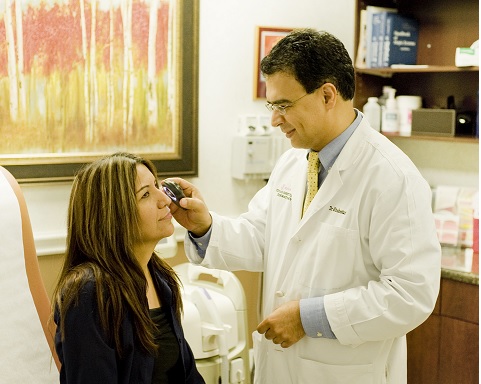 Welcome to Texas Institute of Dermatology, Laser & Cosmetic Surgery Website. The Texas Institute of Dermatology, Laser & Cosmetic Surgery is one of the top dermatology and laser centers in San Antonio, and Boerne directed by an internationally renowned dermatologist, and a member of several international Dermatology societies. Our Dermatologist at the Texas Institute of Dermatology ranked among the top dermatologist in San Antonio and Boerne area and has received several awards including the 2009-2019 Patients' Choice, the 2010-19 Compassionate Doctor's Awards, Top Texas Doctor Awards on providing excellence in General, Cosmetic and Surgical Dermatology.
 Texas Institute of Dermatology, Laser & Cosmetic Surgery's mission is to serve as a leading dermatology center in South Texas including San Antonio, Boerne and Laredo for understanding and treating skin, hair, & nail diseases through excellence in patient care, research, and education.
The Institute's fully trained Dermatologists offer excellence in Clinical, Cosmetic, & Surgical Dermatology to the Boerne and San Antonio citizens as well as others in South and Central Texas including Austin, Boerne, McAllen, Brownsville, Corpus Christi, New Braunfels, and Laredo.
Clinical Dermatology Renowned Dermatologists in San Antonio & Boerne Dermatology Clinic diagnose and treat various skin, hair, and nail diseases including: Acne, Alopecia (hair loss), Keloids, Acne scars, Rosacea, cysts, Allergic Skin Rashes, Autoimmune and Genetic Skin Diseases, Allergic Contact Dermatitis, Eczema, Fungal (dermatophytosis) & Bacterial Skin Infections, Hyperhidrosis (sweating), Onychomycosis (Nail Fungus), Psoriasis, Phototherapy, Moles and Pigmented Lesions (skin growths), PPP, Skin Cancer, Skin Rash, and Vitiligo (white spots). Our top ranking dermatologists are specialized in treating various skin types including skin of color (Dark, Olive and black skin color).
Cosmetic Dermatology services in our San Antonio & Boerne Aesthetic Clinic include various procedures for the treatment and prevention of skin aging such as: Botox, Dysport & Xeomin injectables, dermal fillers (Juvederm, Juvederm Ultra XC, Volubella, Juvederm Voluma, Prevelle, Restylane, Radiesse, Belotero), Kybella for Jowls and double chin, Blepharoplasty (Eyelid Surgery), Lip enhancement and Lip augmentation. Our top ranked San Antonio dermatologists utilize the latest laser technology for treatment of scars including Acne scars, keloid scars, after burn and laser Scars, as well as post-surgery scars. Our skin Laser Center is equipped with state-of-the-art FDA approved Lasers for Laser Skin Rejuvenation & laser resurfacing (fractional Co2 laser), laser hair removal, laser tattoo removal (different colors), laser scar treatment, body contouring (Accent Elite, Juvashape), Pearly Penile Papules treatment by laser, cellulite treatment (Vela Shape, Juvashape and Accent for cellulite) & skin tightening. Laser treatment for pigmented spots, spider veins, facial wrinkles, and acne scarring are among the most popular laser procedures that are performed in our San Antonio & Boerne Laser Clinic. Latest stem cell technology such as PRP (platelet-rich plasma) is routinely used in our clinic for skin rejuvenation and hairloss. New technology in Hair Transplantation such as NeoGraft and Follicular extraction is utilized by our renowned hair specialists.
Surgical Dermatology Our San Antonio Surgery Clinic focuses on the diagnosis and surgical removal of skin cysts, skin tags, and various skin cancer lesions and moles such as basal cell carcinoma (BCC), dysplastic moles, malignant melanoma, and squamous cell carcinoma (SCC). These treatments are performed using cryotherapy, laser, and/or surgery.
read more >>
Testimonials
News
 Is there a connection between sunscreen and skin cancer? Is Proactive enough for Acne? What's new about skin care products? Listen to Dr. Ghohestani's interview with Mix 96.1.
 Does sugar affect your wrinkles? See what Dr. Ghohestani had to say during his interview with the San Antonio Express News on link between skin beauty and diet.
Coronavirus 2020 Update: Dr. Ghohestani's recommendations for preventingthe spread of Coronavirus infcetion (COVID-19): Avoid the crowded areas, handshakes and touching the face, wash the hands frequently. If soap and water are not available, one may use hand sanitizers with 80-95% Alchohol. For more details, visit the CDC website.
Does sugar affect your wrinkles? See what Dr. Ghohestani had to say during his interview with the San Antonio Express News on link between skin beauty and diet.
Coronavirus 2020 Update: Dr. Ghohestani's recommendations for preventingthe spread of Coronavirus infcetion (COVID-19): Avoid the crowded areas, handshakes and touching the face, wash the hands frequently. If soap and water are not available, one may use hand sanitizers with 80-95% Alchohol. For more details, visit the CDC website.
 Skin Cancer: What are the warning signs? Learn more by reading Dr. Ghohestani's interview with the UTHSCSA Mission's Magazine on Skin Cancer.
Texas Institute of Dermatology and Keloid research Foundation organizing the 4th International Symposium on keloids and Scars in Philadelphia in 2020.
Dr. Ghohestani present his research studies on " Melanocytic Lesions, when to not laser?" as a key note speaker in the Tricontinental Dermatology meeting.
Skin Cancer: What are the warning signs? Learn more by reading Dr. Ghohestani's interview with the UTHSCSA Mission's Magazine on Skin Cancer.
Texas Institute of Dermatology and Keloid research Foundation organizing the 4th International Symposium on keloids and Scars in Philadelphia in 2020.
Dr. Ghohestani present his research studies on " Melanocytic Lesions, when to not laser?" as a key note speaker in the Tricontinental Dermatology meeting.
Dermatology Fellowship 2020-2021
Texas Institute of Dermatology, Laser and Cosmetic Surgery is proud to offer non-ACGME accredited fellowship programs in Cosmetic Dermatology, Immunodermatology, Cutaneous Biology & Immunology, and Laser. Most programs are designed for recent medical graduates. Limited observership positions are available for International Medical Graduates. Our staff at the Dermatology Institute work closely with Dermatologists and Dermatology Professors around the world toward finding better treatment options for various skin, hair and nail diseases. read more >>
Visiting Professor Lectureship
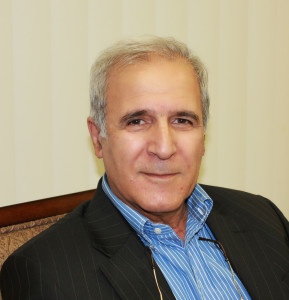
Dr. Alirezai is a premiere Dermatology Surgeon from France. He is renowned for his expertise on Surgery as it relates to dermatology. He frequently speaks at international dermatology meetings and has taught advanced techniques of Skin Surgery to thousands of dermatologists around the world. read more >>
CLICK HERE FOR VIDEO DERM CONSULT!
SCHEDULE ONLINE
⭐️⭐️⭐️⭐️ Susan C. 3 mo ago on yelp.com | It was my husband's visit and he says this is a most thorough dermatologist... My husband needed really excellent dermatological skills... We left happy... My husband appreciated this approach because he too is medical and could talk the lingo.
PATIENT REVIEWS